Are Hobs The Most Effective Thing That Ever Was?
A Guide to Ovens and Hobs Ovens and hobs add modern, sleek style to any kitchen and can be easily integrated into kitchen worktops and units. Explore our complete range of ovens and hobs now. Electric hobs are heated by the various 'cooking rings designs, which have between four and six power levels. They may take a few minutes to warm up and cool down. Hobs of different types Every home is incomplete without the kitchen hob, range cooker, or stovetop (the latter is a complete cooking appliance in which you can bake and roast food). It is used to cook various food items and, for this reason it's crucial to select the best hob for your cooking style. There's a type of hob for everyone, no matter if you're a master cook who prefers precision or a busy home cook seeking speed. Induction and electric ceramic stoves are flat and frameless and add to the sleek appearance of any kitchen. Each of the five or four zones can be controlled with an individual dial. This allows you to choose of boiling potatoes on one ring while sautéing sausages on a different ring perfect for busy families. They heat quickly, and their smooth surface makes them easy to clean. However, they are more expensive than gas hobs and could take longer to heat up and cool down. Gas hobs are quick to heat and provide precise control, which makes them popular amongst chefs. They're also safe and come with built-in flame fail safety systems that cut off the gas supply if there's an issue with the gas. However, they are less efficient in energy than induction or electric hobs and are more difficult to clean because of the pan supports and burners. Plate hobs have been around for a long time. They have a flat, smooth surface with gas or electric rings that get heated when you turn the dial. They're economical, but not the best choice for cast iron cookware and do not evenly distribute heat across the entire surface. Induction hobs make use of an electromagnetic field to heat your pan – instead of heating the surface like traditional hobs. They are safer, as there's no open flame. They're also simple to clean. They're also more expensive than gas or electric hobs and may take longer to heat up and cool down. Gas hobs Gas hobs are a preferred choice for home cooks because of their quick heating capabilities as well as their ease of control. There are models with between two and six burners. Some models include a wok-burner for stir-fry cooking. Some also have a visual flame indicator that tells you whether the hob is on or off. They are faster to cook food than induction or electric models, making them ideal for kitchens that are busy. They are cheaper to run than electric hobs if you utilize electricity generated by renewable energy sources. You can get freestanding gas hobs, or built-in models. The latter are the best choice when you're planning to redesign your kitchen since you can easily relocate them later. They can be difficult to put in, and may require you to hack into your finished carpentry. This isn't a good choice for every home. They have a smooth and flat surface, making them easy to clean. The stainless steel trims are commonly used, and are used in conjunction with a variety of kitchen designs. Certain models come with control knobs that are touch-sensitive and some have a a power boost feature that enhances the intensity of the burner by 50%. Some gas hobs have a safety system that automatically shuts off the gas supply when the flame has gone out. This way, you don't have to worry about accidentally starting a fire. Gas hobs can be cheaper to run than some electric ones, and they permit precise temperature control. Gas hobs release carbon dioxide when they burn. This could be a problem for eco-conscious customers. There are models that do not emit CO2 when in use. They are referred to as 'zero emission gas hobs' or 'eco-friendly gas hobs', they still have all the features that are typical of a traditional gas model but emit no CO2 at all while operating. Electric hobs 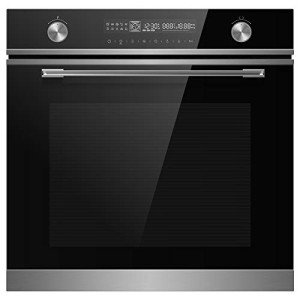 Electric hobs are a common choice in kitchens of any style. They have a variety of advantages over other types. Electric hobs are able to heat up and cool down quicker than gas hobs. This means that less heat remains after the cookware is removed. They heat more evenly and are less likely to have hot spots than certain gas models. Being electric, they also require less maintenance and are much cheaper to run than gas. Ceramic or glass electric hobs are most commonly used in modern kitchens. They have a sleek, elegant appearance that is easy to clean. They are also safe to use. Their flat surface also makes them a preferred choice for those who have children, as they aren't likely to be smashed or scratched by heavy pans. They're also fairly inexpensive to run and are able to be replaced if damaged. Ceramic hobs heat directly the pan, unlike traditional plate hobs, which use coils to heat the pan. They can heat and cool faster and are suitable for any cookware. They're often pricier than electric plate hobs but they'll reduce your energy costs in the long run because of their high efficiency and the way they convert almost all electrical energy into usable heat. It is essential to maintain your ceramic or tempered glass stove regularly to avoid any problems. Cleaning the cooktop using non-abrasive cleaning products is highly recommended, as is looking for and replacing any heating controls that are defective and cleaning out the burner caps or grates regularly. Be on the lookout for gas smells, because they could indicate an issue with gas lines or leaks. It is best to contact a professional gas technician to assistance if you suspect there is a problem. Make sure that the hob has cooled completely before cleaning to avoid severe damage. This will help stop any accidental fires or spills! Hobs with induction Induction cookers are a modern alternative to traditional electric and gas hobs. They use magnets instead of the cooktop in order to heat the pan. This allows them to heat up much more quickly than other hobs, and they can help save energy in the long run. They are also a lot safer to use because the cooktop surface remains cool to the touch and they are equipped with safety features like automatic shut-offs to prevent accidents. The majority of induction hobs have a glass or ceramic top and are powered by an alternating current which creates the magnetic field to heat. An induction-compatible pan must have a flat bottom and a steel or iron core. The magnetic field is activated when the pan is placed in the cooking zone. Most hobs feature an 'bridging zone' that can connect two zones to allow for larger pans. Induction hobs are renowned for efficiency. Many have reported an improvement in their overall energy costs when they switch to one. They are also thought to be safer since the cooktop's surface stays cool to the surface, reducing the chance of burns, and only heating the pan and its contents. oven with hob makes them safer for children than electric or gas hobs which can become extremely hot and can pose a fire hazard. Most induction cooktops come with different types of controls with the most basic being the simple power bar or touch mark that is placed on the surface of the hob, or a fully-functional TFT display which displays all the options, and lets you adjust the power levels, set timers and more. Induction hobs with more advanced technology come with numerous small copper coils that are grouped tightly together beneath the cooktop. The magnet under each coil is able to detect when the pan is positioned. Then, it activates the appropriate coil to fit the pan's size and shape. All of our hobs and ovens are available as freestanding models or are easily integrated into your kitchen's worktops and units for a a sleek, seamless look. Our range of products ranges from sleek black and stainless steel finishes to on-trend copper and ceramic. Make sure to take a look at our other appliances too including refrigerator freezers and washing machines to get your kitchen running just as it should.